


News
 Location:
Home>>
About>>
News>>
Chairman Li Shufu Visits Xiangtan Institute of Technology, Emphasizing the "Three-Campus Integration" to Lead Educational Reform in the AI Era
Location:
Home>>
About>>
News>>
Chairman Li Shufu Visits Xiangtan Institute of Technology, Emphasizing the "Three-Campus Integration" to Lead Educational Reform in the AI Era Chairman Li Shufu Visits Xiangtan Institute of Technology, Emphasizing the "Three-Campus Integration" to Lead Educational Reform in the AI Era
XIT 2026/06/01 Readings:2240
On May 21, Li Shufu, Chairman of Geely Holding Group, visited Xiangtan Institute of Technology for an inspection tour. Through campus tours, exhibition hall visits, inspections of industry-college, and thematic symposiums, he learned about the school's educational development, talent cultivation, industry-education integration, social practice initiatives, and the implementation of its "Cornerstone Program." He also held in-depth discussions with faculty and student representatives on cultivating innovative talents in the AI era and the educational model of the "Three-Campus Integration", providing guidance for the school's future development.
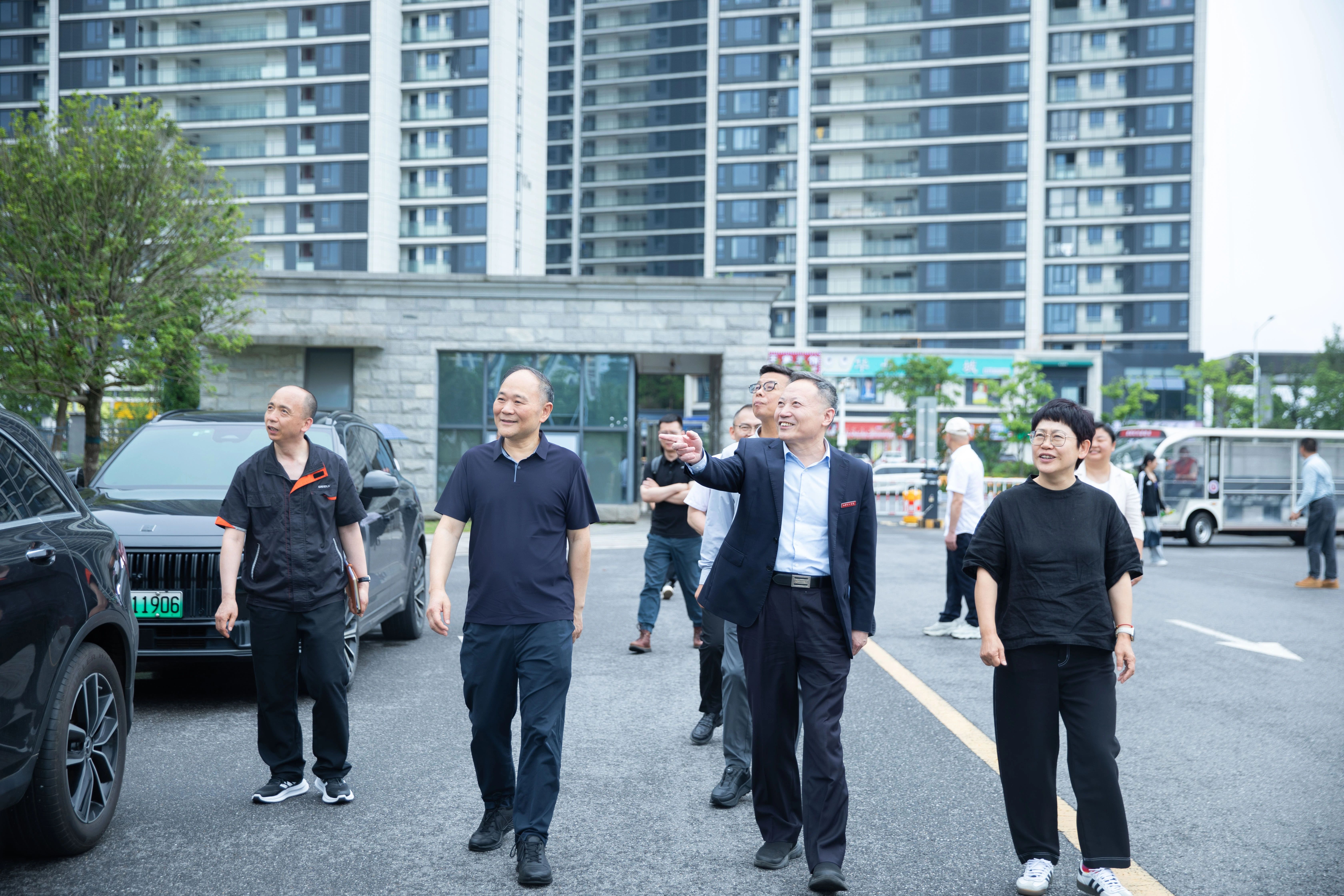
Accompanied by President Yuan Libin, Chairman Li Shufu and his delegation first inspected the campus environment and overall educational landscape on-site. He remarked, "Both trees and humans require the right environment for growth." Frequent transplantation can lead to weakened vigor in trees; similarly, individuals need to engage with diverse experiences to broaden their horizons—avoiding isolation or self-imposed limitations. True growth lies in continuous learning and proactively breaking boundaries.
The group then entered the school's exhibition hall, where they listened to comprehensive reports on the overall educational situation, students' social practice achievements, and innovation and entrepreneurship education outcomes. President Yuan Libin detailed how the school has maintained its focus on labor-based education, deepened industry-education integration, aligned closely with Hunan's modern industrial system to optimize its academic program structure, and advanced curriculum reform centered on project-based learning. The presentation also showcased students 'diverse social practice accomplishments—including live streaming for student-led agricultural assistance,the grass-roots law service, inheritance of revolutionary culture, and service programs in western regions—as well as outstanding achievements such as multiple provincial awards won in academic and science competitions, highlighting the school's success in cultivating applied, practical-oriented talents.
Li Shufu praised the students 'dedication to working at the grassroots level and serving society. He encouraged them to gain experience and grow by working in western regions, at the grassroots level, and where the country needs them most, stating that this is a precious life asset. "Don't think about rewards in the first three years of work—just accumulate experience. The experience of trial and error, the experience of setbacks, and the experience of success—these are your own wealth."
At the Leju Robotics Industry College, leveraging Geely's industrial resources, the industry-college adopts an educational model that integrates school-enterprise collaboration, technical training, and project development centered on real-world application scenarios. Li Shufu specifically examined the school's distinctive talent cultivation programs in areas such as robotics operation and maintenance and secondary development, and highly commended its approach of proactively aligning with industry needs and bringing the classroom learning directly to the industrial frontline.
At the "Cornerstone Program" training site, Li Shufu visited the trainees and engaged in interactive discussions with them. He pointed out that the Cornerstone Program serves as the talent foundation for Geely's long-term development, aiming to systematically cultivate young talents from grassroots positions. He encouraged the young students to develop independent thinking skills, pursue lofty ideals, put aside utilitarian mindsets, gain experience through hands-on grassroots work, accumulate practical knowledge through job practice, and strengthen their core competencies. Whether they choose to continue developing at Geely or embark on entrepreneurial ventures, this solid grassroots experience will be a valuable asset in their lives.
The subsequent symposium, themed "Cultivating Innovative Talent in the AI Era," focused on educational reform integrating the age of artificial intelligence with the "Three Campuses" initiative. Li Shufu engaged in an in-depth discussion lasting over two hours with faculty and student representatives. His proposed "Three Campuses" educational innovation framework goes beyond merely combining three separate campuses; it achieves educational breakthroughs through the integration of three dimensions:
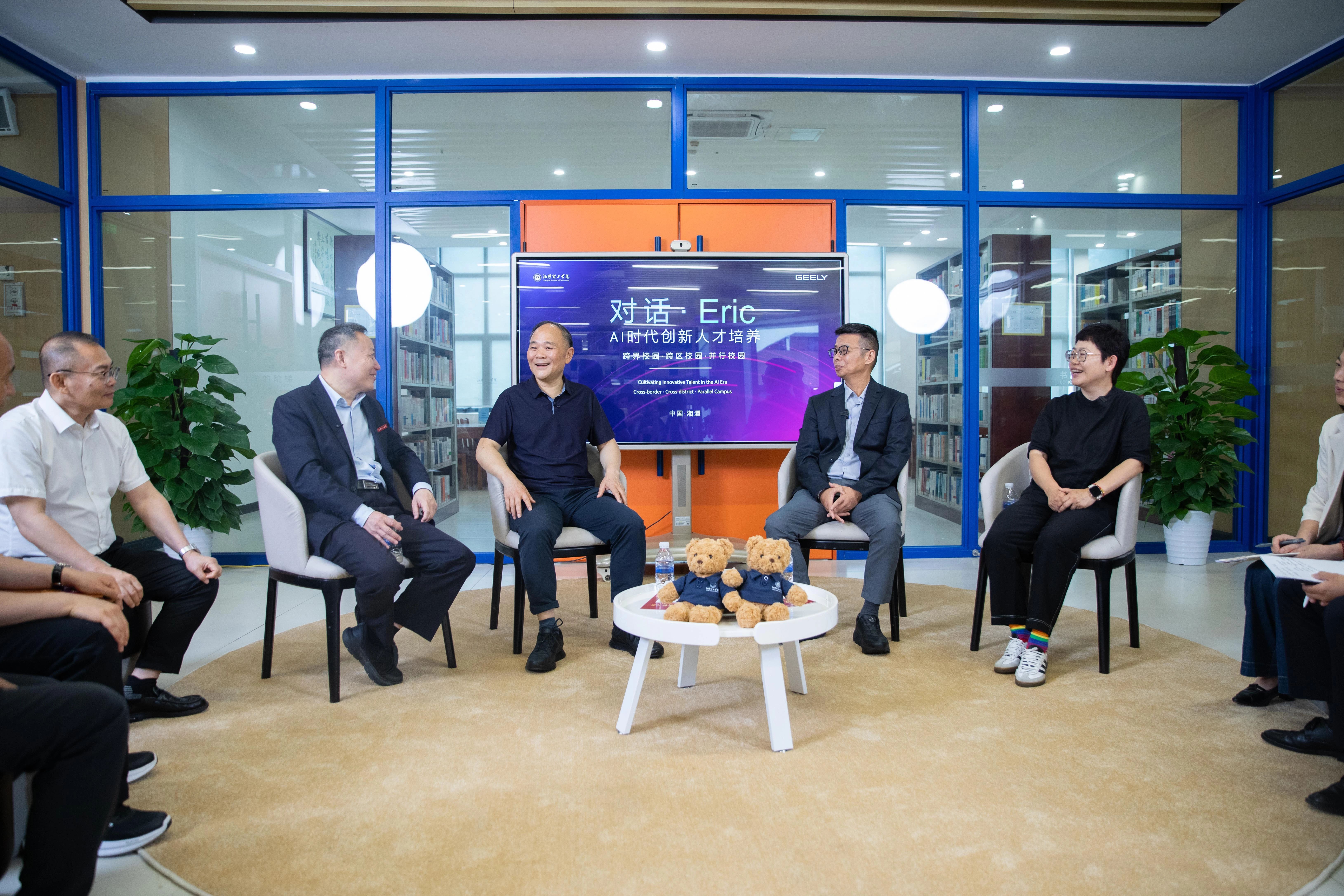
First, the "Trans-platform Campus" —combining online and offline learning. The online intelligent system (large language model) possesses knowledge reserves thousands to tens of thousands of times greater than traditional libraries, enabling personalized instruction tailored to individual learners. When students input their ideas and aspirations, the system generates customized personalized professional direction proposals and educational outlines, matched with teachers and teaching materials.
The second is the "Trans-boundary Campus" —a collaboration between enterprises and universities. Real-world enterprise scenarios should form an integral part of university campuses, enabling students to acquire practical skills through authentic market competition and hands-on experience. Enterprises provide corporate mentors to help students gain insights into the real-world environment while working in actual positions.
The third is the "Trans-regional Campus" —resource sharing between universities. Future education will have no geographical restrictions; individuals in the United States can provide teaching services to students in China, while those in the United Kingdom can offer educational services to students at Xiangtan Institute of Technology.
Li Shufu emphasized that artificial intelligence has become a majortrend of our era. Universities must break away from traditional classroom teaching models, leverage large language models to build online intelligent education platforms that integrate global knowledge resources; deepen trans-boundary collaboration between universities and enterprises, transform industrial scenarios into practical learning environments, and facilitate resource sharing across institutions and regions.He stressed the importance of adhering to a Four-level cultivation system encompassing character, foundational ability, action-taking capability, and professional competence,abandoning the sole emphasis on academic scores, and centering education around project-driven learning and real-world practice.This approach enables students to grow comprehensively through theoretical learning, AI empowerment, and enterprise practice. Li Shufu also encouraged Xiangtan Institute of Technology to utilize its flexible educational mechanisms to cultivate versatile,innovative talents suited for the new era and emerging industries through advancements in AI education and deep industry-education integration.
At the conclusion of the symposium, Li Shufu also engaged in interactive discussions with students from various majors on topics such as academic planning and future career development.
A junior mentioned that he had achieved outstanding results in a mathematical modeling competition but faced difficulties in job hunting due to a lack of practical experience. Li Shufu responded on the spot that mathematics is a crucial foundation for artificial intelligence, and Geely is committed to providing opportunities for such talents.
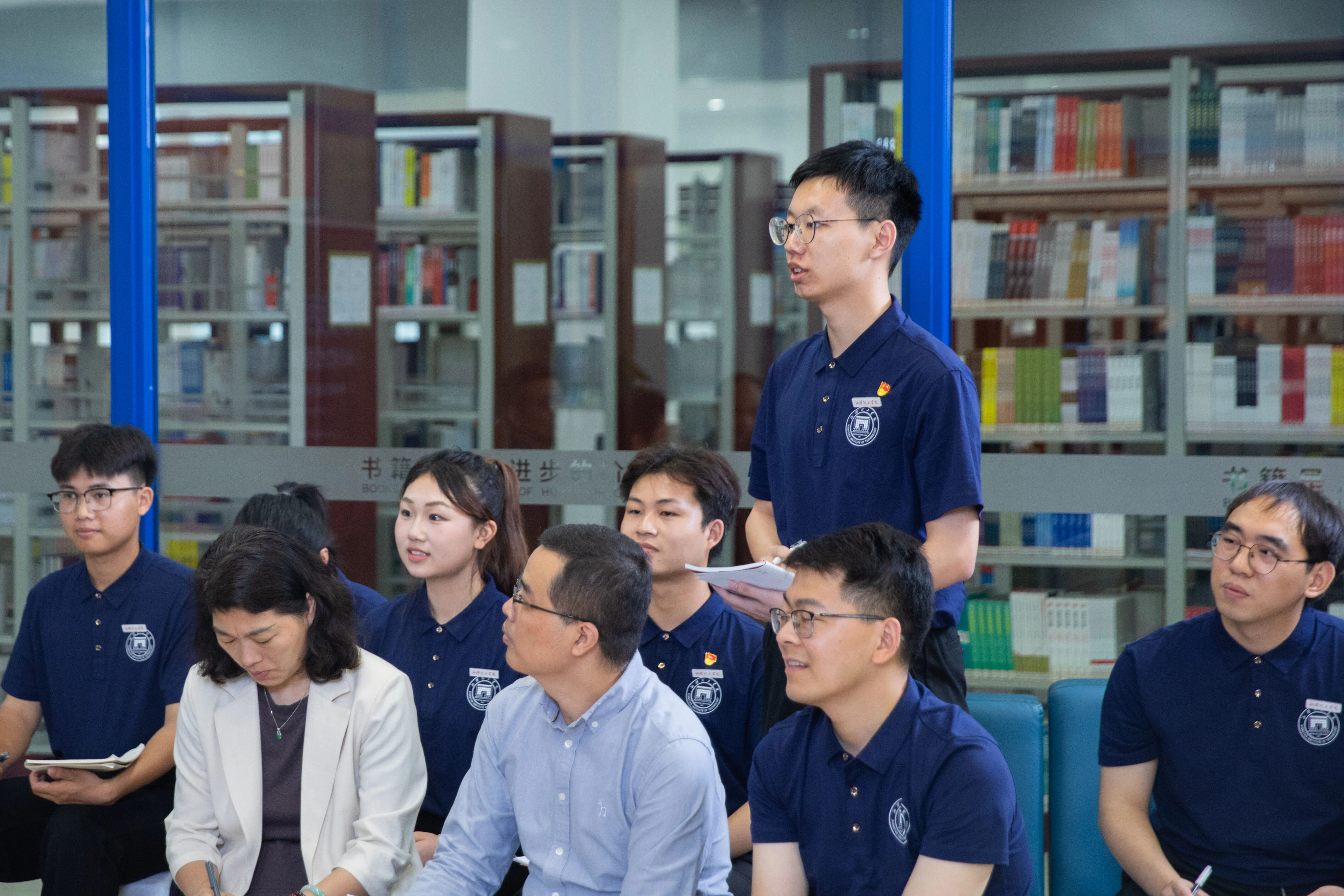
A sophomore accounting student asked whether to pursue postgraduate studies or enter the workforce first after graduation. Li Shufu clearly advised: "Start working first; don't take the postgraduate entrance exam. Moving solely between academic environments and theoretical knowledge won't accelerate your growth. After several years of work experience, if you feel the need for further education, then proceed. You could gain practical insight into the real world through hands-on experience—otherwise, academic learning won't be effective."
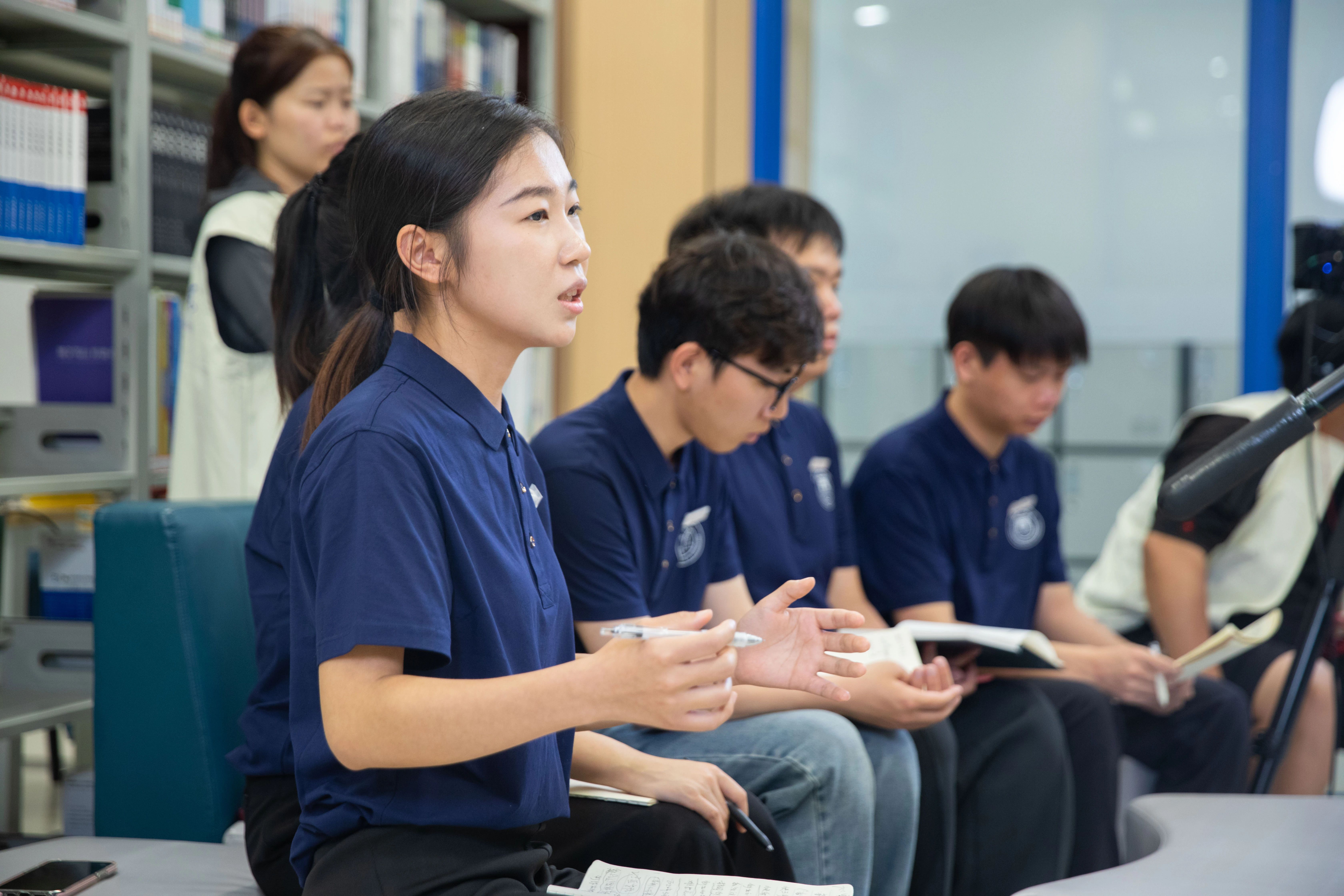
A graduate with three years of entrepreneurial experience shared his sandwich business venture. Li Shufu recommended an AI-integrated startup approach combining artificial intelligence and autonomous driving: using self-driving vehicles for food production and delivery without physical storefronts, parking near campuses, residential communities, or commercial complexes, and enabling customers to scan a code to pick up their orders. "In the AI era, such ventures have a high success rate," he noted.
A student counselor reflected that many students lack confidence and enthusiasm due to years of exam-oriented education. Li Shufu responded: "Don't let test scores determine one's success or failure—The cutoff score is not a watershed in life."
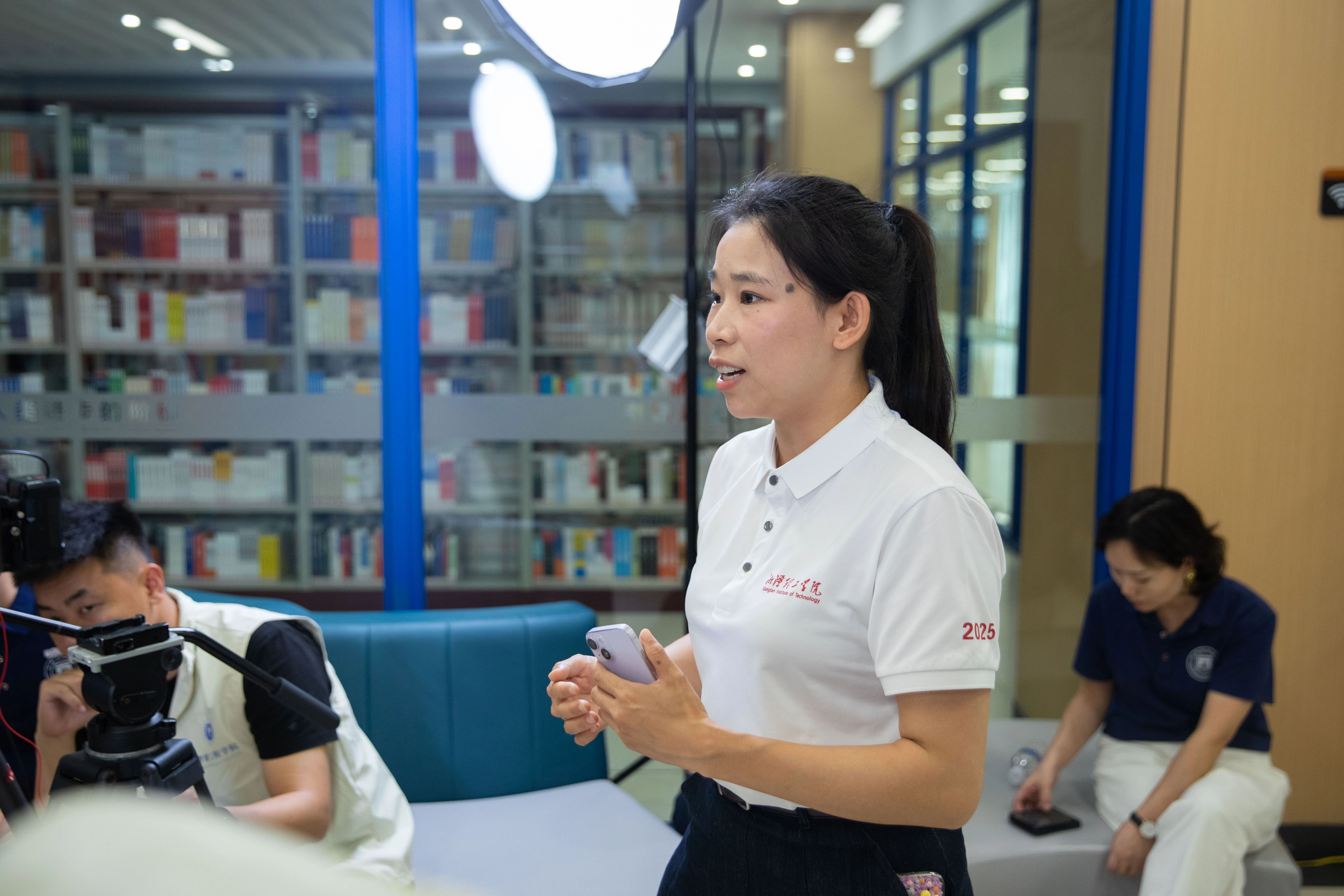
Li Shufu encouraged faculty and students at Xiangtan Institute of Technology to build confidence and master their skills. The school's leader stated that they will continue to deepen industry-education collaboration, accelerate the development of its "Three Campuses" initiative, and cultivate more high-quality applied talents suited for the AI era.
News
28
2026-09
16
2026-09
04
2026-08
09
2026-06
01
2026-06
20
2026-04
17
2026-03
05
2026-01


